

Why Your Loyalty Program Needs More Than Just Plane Jane Rewards

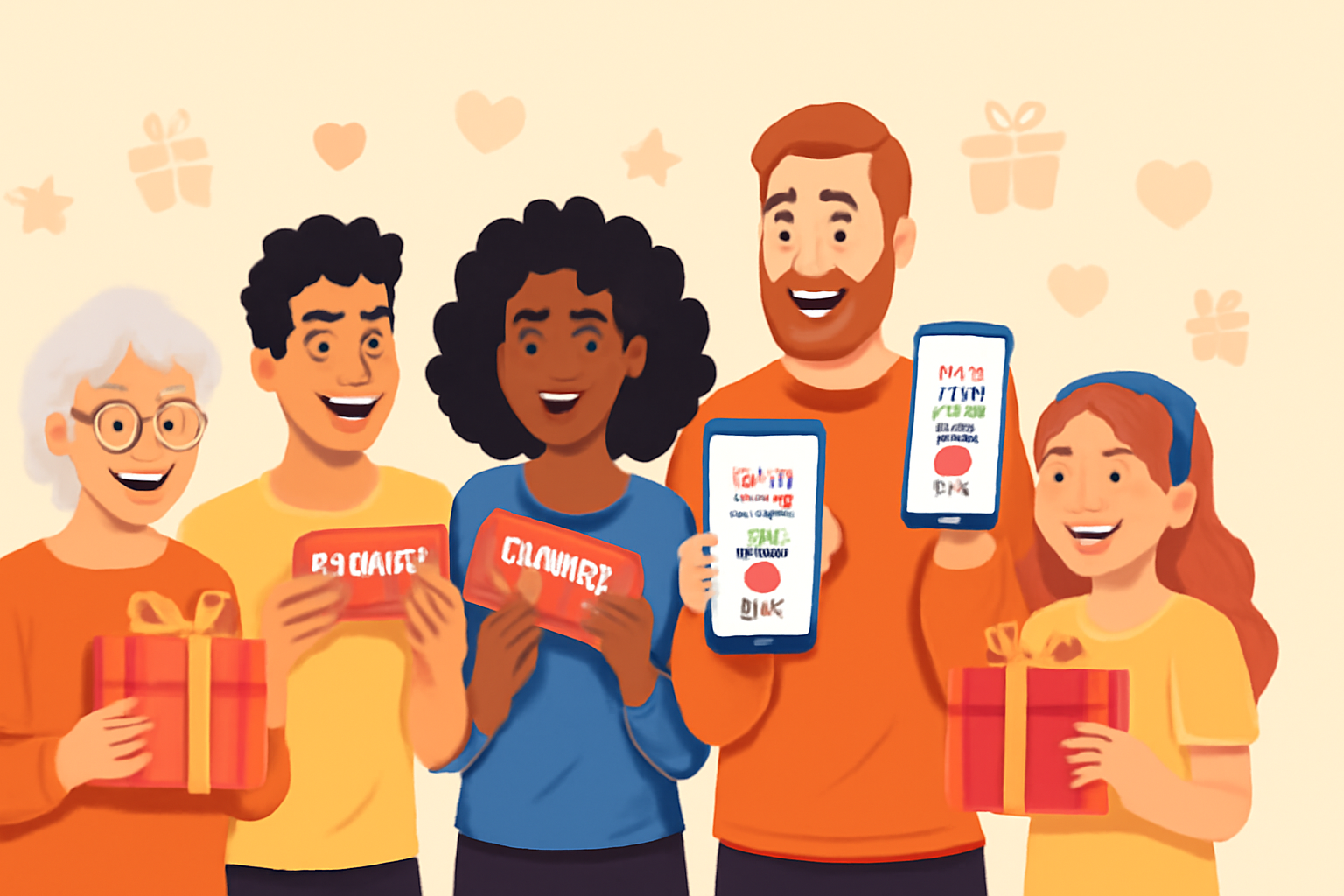
Customer loyalty programs have evolved far beyond punch cards and point tallies. In today’s digital marketplace, businesses face the challenge of cultivating genuine loyalty rather than just repeat purchases. The key differentiator? Personalization. If your loyalty program is limited to generic rewards—bland discounts, standardized freebies, or one-size-fits-all perks—it won’t capture customer attention or foster lasting relationships. Here’s why a generic approach falls short, and how tailored rewards can transform your loyalty strategy.
The Pitfalls of Generic Rewards
Most traditional loyalty programs focus on simple mechanics: “Spend X, earn Y points, redeem for Z reward.” While this model may lure initial engagement, it often fails to sustain interest. Generic rewards—those that lack uniqueness or emotional relevance—quickly become forgettable. Customers don’t feel recognized as individuals, and program fatigue sets in.
The problem is twofold: first, bland rewards make customers indifferent. If everyone gets the same coupon or birthday freebie, the initiative loses its sense of exclusivity. Second, brands miss out on learning what actually excites each customer. Without personalization, loyalty programs become mere transactional platforms—not motivators of true brand engagement.
Why Personalization Matters
Personalized rewards bring emotion into the equation. When customers feel a brand understands their preferences, habits, and values, the reward experience shifts from generic to meaningful. It could be as simple as knowing a customer’s favorite coffee blend and offering them a free cup, or surprising a frequent traveler with a seat upgrade. Such gestures foster reciprocity and emotional attachment, driving loyalty far beyond the convenience of discounts.
Modern consumers crave experiences that acknowledge their individuality. Brands leveraging data and AI can deliver curated perks: exclusive access to events, early product releases, or even recognition in online communities. These are moments that spark delight, build memories, and turn casual shoppers into passionate advocates.
The Business Case: Greater ROI and Competitive Advantage
Brands that move beyond generic rewards see tangible benefits. Targeted offers drive higher redemption rates because they feel relevant. Satisfied customers are more likely to engage with marketing, provide feedback, and refer friends—generating organic growth. Moreover, tailored rewards help you stand out in a crowded market, where generic points and discounts are the baseline, not the differentiator.
Companies such as Starbucks and Sephora have mastered this art. Their loyalty programs blend monetary value with exclusive experiences and insider access, building brand communities that thrive on differentiation. Personalization becomes a competitive moat, reducing churn and boosting customer lifetime value.
How to Upgrade Your Loyalty Offerings
To transition from generic to personalized, brands must invest in understanding their customers. Analyze purchase history, survey preferences, and observe engagement patterns across digital channels. Apply these insights in your reward structure—segment your audience, experiment with surprise-and-delight moments, and offer choices tailored to individual lifestyles.
Employ digital tools, from mobile apps to CRM platforms, to deliver timely and context-aware offers. Don’t just automate; humanize the experience, ensuring rewards feel thoughtful rather than algorithmic.
Conclusion
Generic rewards might provide quick wins, but they lack the power to forge deep, lasting loyalty. A personalized approach acknowledges the uniqueness of every customer, transforming programs from mere transactions into memorable brand experiences. In the new age of loyalty, differentiation isn’t optional—it’s essential. Make your rewards personal, and watch engagement soar.